



History
History
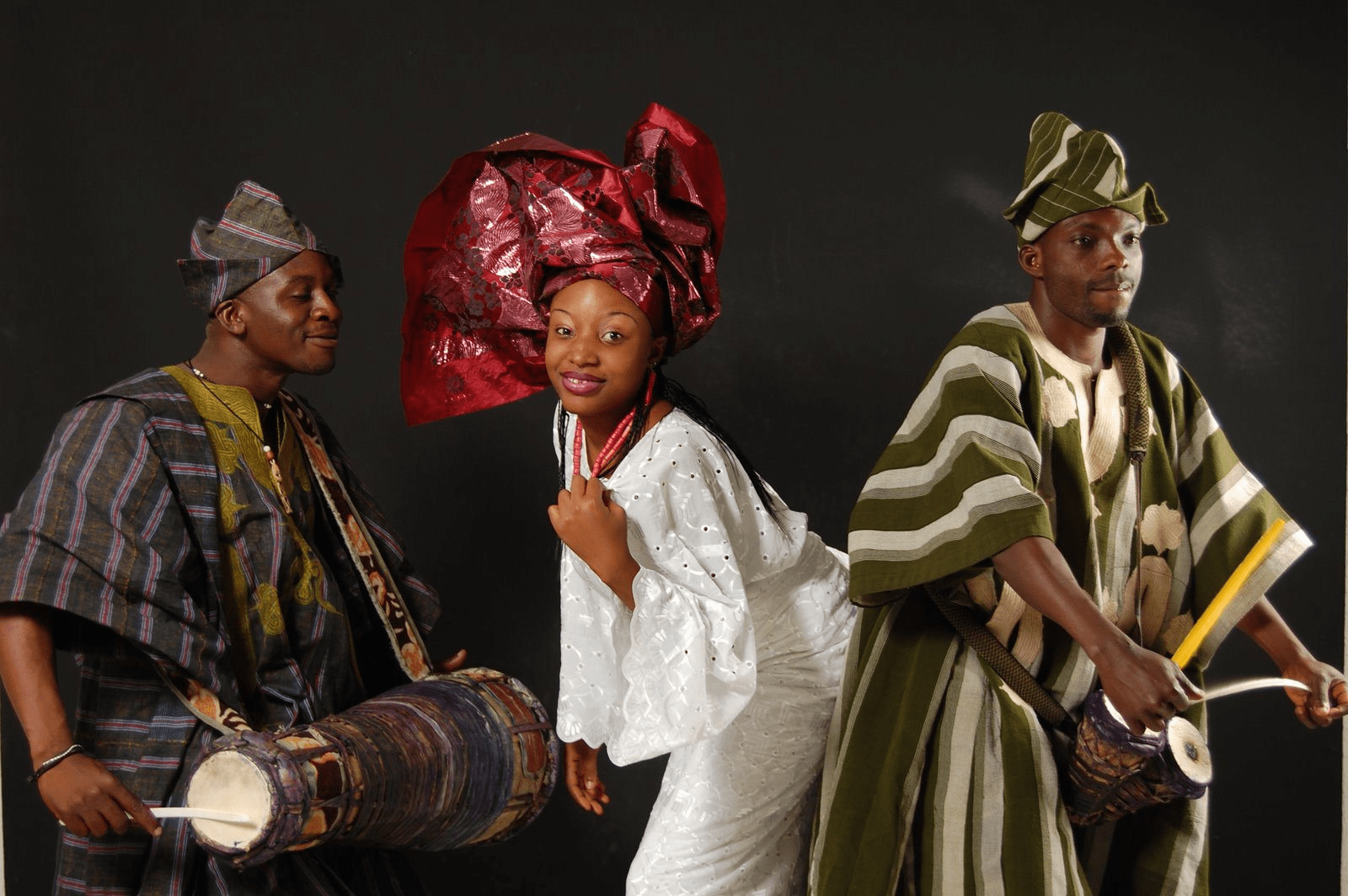
The Yorùbá are a large ethno-linguistic grouping in Sub-Saharan Africa. Yoruba make up around 21% of Nigeria’s current population and are typically the dominating group in particular locations. Many Yoruba live in the West African states of Ekiti, Lagos, Ogun, Ondo, Osun, and Oyo, firmly entrenching the numerically dominant Yoruba in these political boundaries.
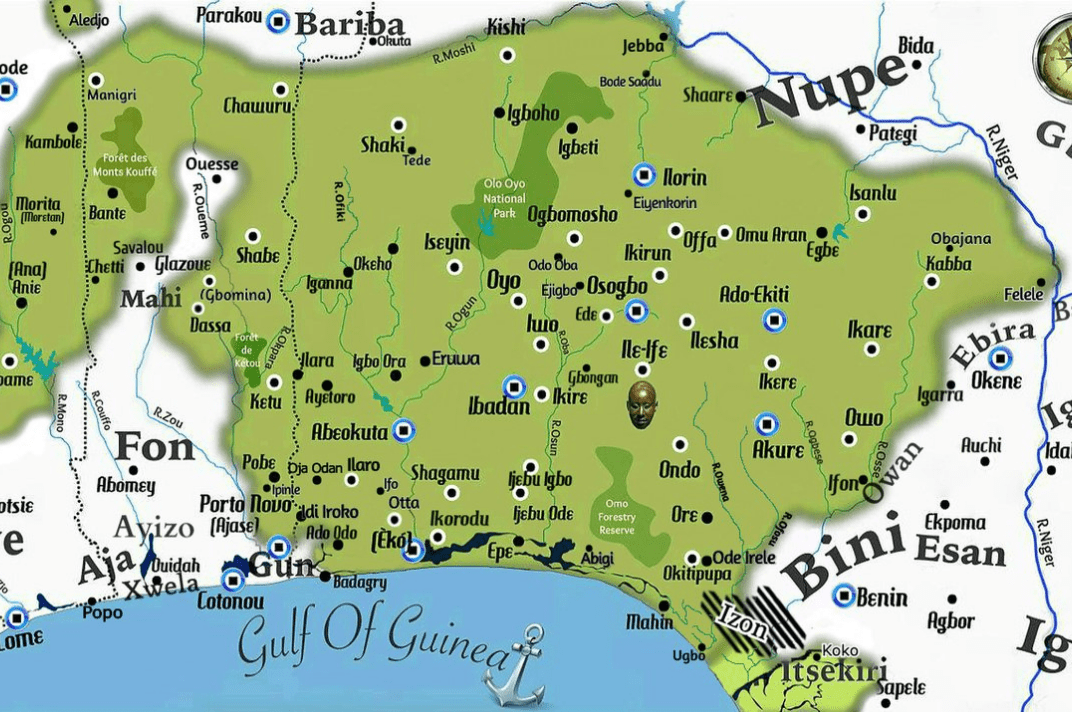
While Yoruba can be found across West Africa, including Benin, Ghana, and Togo, the highest concentration of Yoruba is located in Yorubaland, a region in western Nigeria. Yorubaland is bounded to the northwest by the Borgu (also known as Bariba and Borgawa), to the north by the Nupe and Ebira, to the southeast by the san and Edo, and to the northeast by the Igala and other kindred tribes.
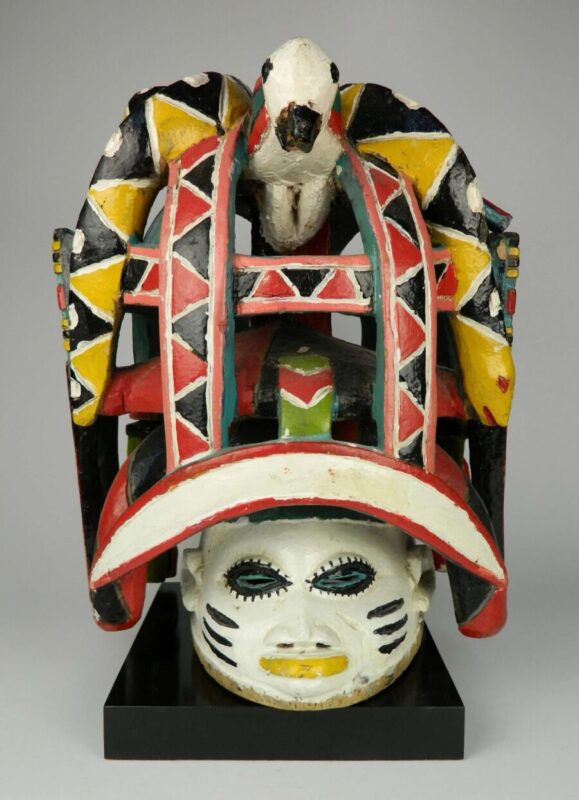
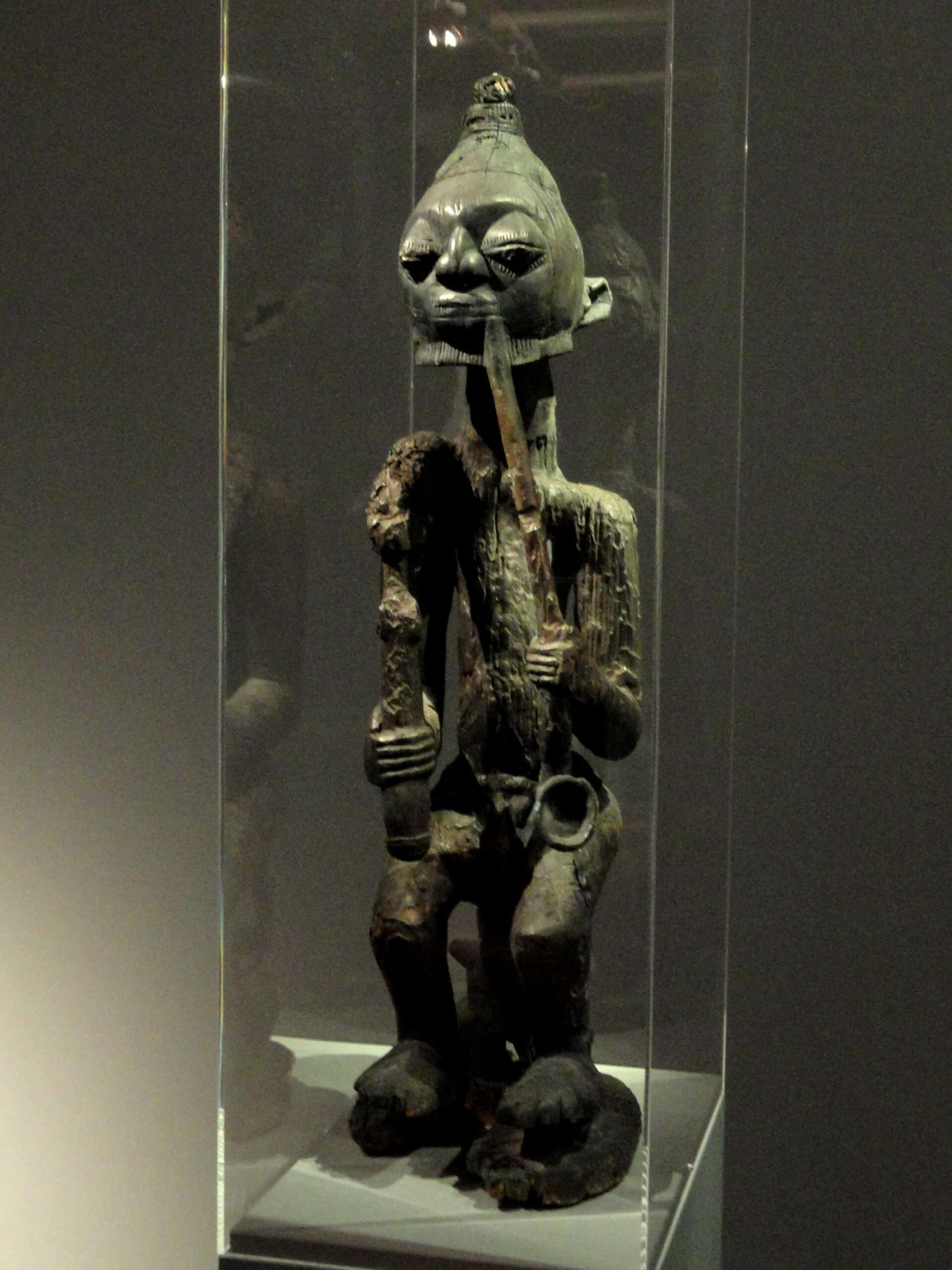
The Yoruba are famed for their exceptional craftsmanship, and are widely regarded as the most skillful and prolific people in Africa. They used to work in trades including blacksmithing, leatherworking, weaving, glassmaking, and ivory and wood carving. Yorubaland’s many densely populated metropolitan centres allow for the concentration of wealth and the development of a complex market economy, which supports widespread patronage of the arts. Due to the slave trade in the eighteenth and nineteenth centuries, many people of African heritage in the Americas claim Yoruba ancestry.
and it began to spiral towards the ground. In an attempt to capture the free-falling chicken, Oduduwa let go of his sack of sand, which also fell to the ground. When Odudwa completed climbing, he noticed that his sack of sand had built a little hill in the earth’s waters and that the chicken was safely sat on top of the sandy mound. As the town of Ile-Ife grew, territory began to expand in all directions from this point, named Ile n’fe.
Yoruba and a growing need to rely on one’s neighbors. Yorubaland, which was previously predominantly a forest agricultural area, became a highly urbanized culture famed across West Africa for the splendor of its capital, or crowned, towns under the influence of the immigrants.
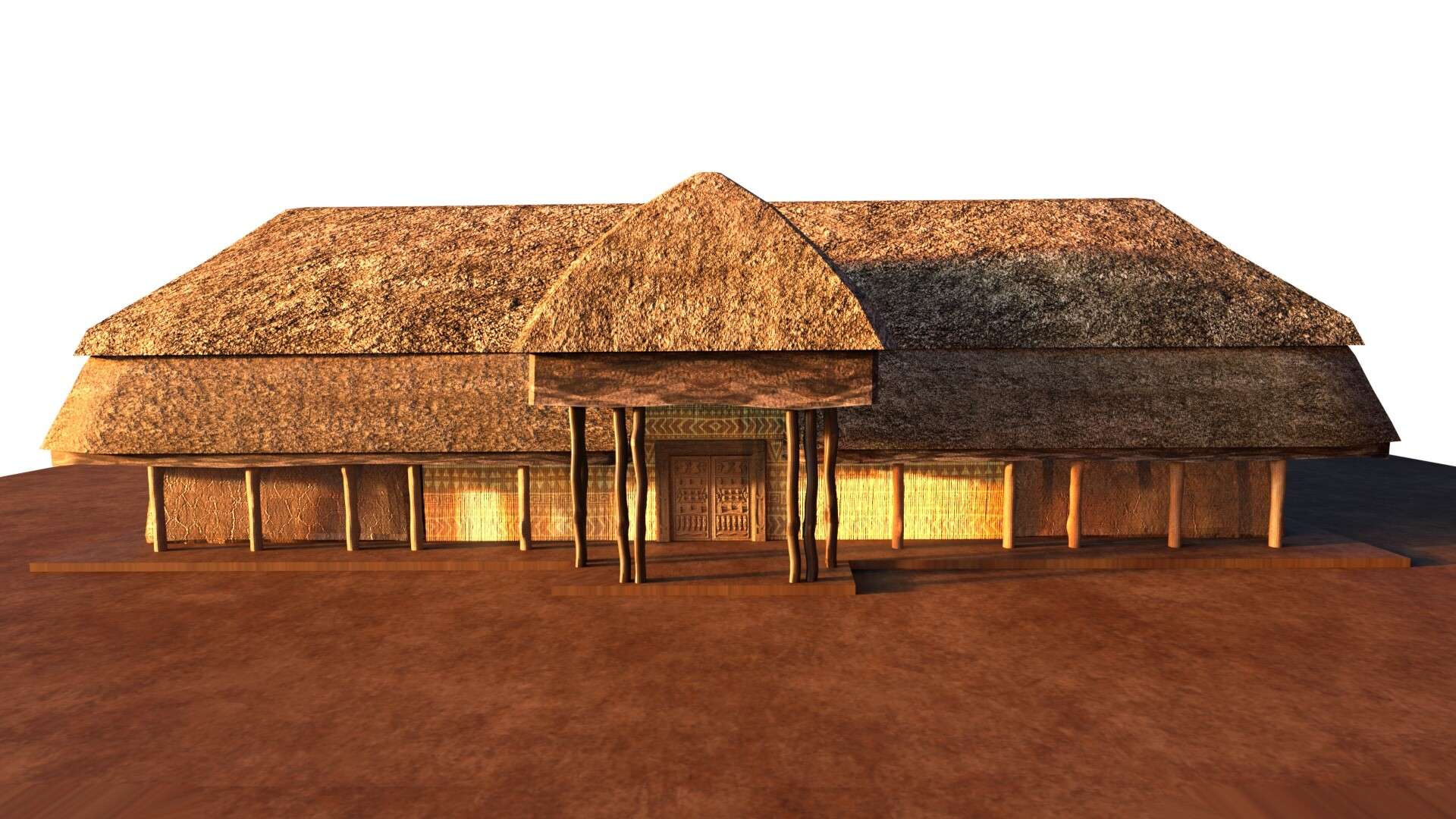
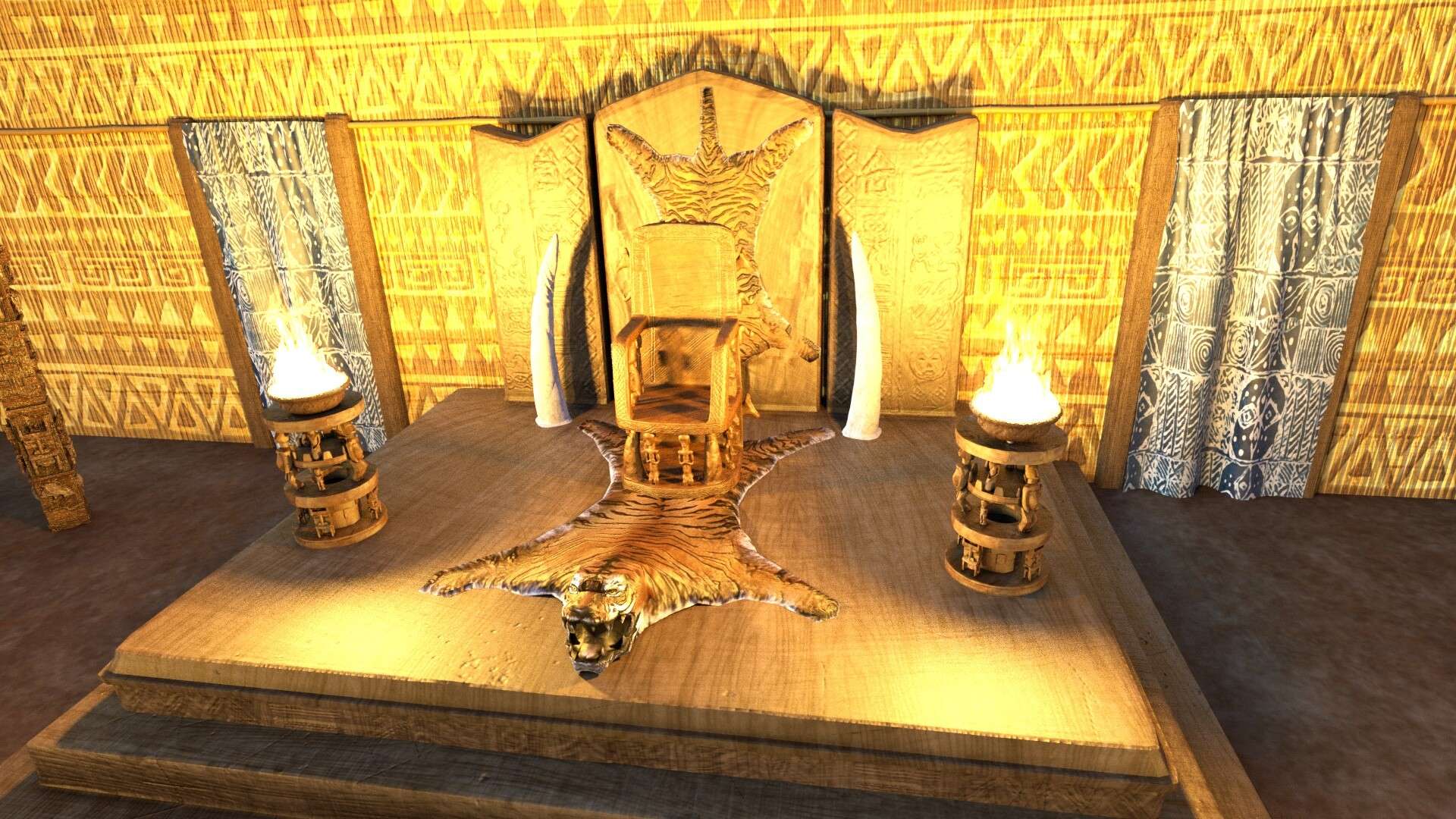
In ancient times, Yorubaland’s principal cities were tied together, establishing a loose confederacy under the senior Yoruba leader, the oni of Ife. The confederacy that unified Yorubaland acted primarily as a peacekeeping tool, leaving the states to rule autonomously and minimizing violence among confederacy members. Political ideology at the period was centered on the concept of a kingdom as a vast family, with the oni as the head and the sister countries respecting one another. Monarchs (Obas) and councils of nobles, guildleaders, and merchants, generally called as gb in Yoruba, ruled each city state, which was permitted to govern itself in most areas.
The monarchy was frequently hereditary, passed down through generations. However, royal bloodlines alone were not enough to ensure a position of authority, since an eligible challenger for the throne would be barred from ascending to power if any member of the family, servant, or slave committed a significant crime like as theft, fraud, murder, or rape. Some city governments completely abandoned the usage of royal lineages, preferring to make the monarchy open to the election of any free-born male citizen. The monarchs were virtually usually polygamous, with some having as many as 20 wives. Political authority was frequently strengthened by marriage, and monarchs frequently sought spouses from royal families. A few female Obas ascended to prominence in Ilesa and Ondo, but they were uncommon.
Throughout the confederacy, there was no established power balance between the king and the council, and towns were permitted to determine whether to regard the two perspectives equally or to give greater weight to one. The ruling council of Yorubaland exerted severe supervision over the monarch and zealously guarded against any abuses of royal authority. While the council’s severe level of power over the king was not the norm across Yorubaland, many other towns established a political feeling of oneness between the monarch and the council. Even in y, the most centralized of the precolonial kingdoms, the Alaafin conferred on all political matters with a prime minister (The Basọrun) and the Ọyọ Mesi, a council of top nobles.
When not having a political voice in the council of nobles, Yoruba might participate in several of the region’s other peer groups. The Ẹgbẹ Aro, a military force created in the eighteenth century by Lisabi in resistance to Oyo’s Ajeles (assigned administrators), was one of these groups. Other clandestine military resistance leagues, such as the Ekitiparapọ and the Ogidi alliance, were formed in the nineteenth century for diametrically opposed reasons: to protect Yoruba supremacy and to fight incursions from Ibadan, Nupe, and the Sokoto Caliphate.
The political and urban advancements of Ife peaked about 1300 C.E. By this period, the Yoruba language had spread throughout a large area of West Africa, and the number of Yoruba communities had expanded substantially. Oyo, a town in northern Yoruba land, was the most noteworthy of the new colonies. Following the demise of Yoruba power in the sixteenth century, Oyo would become a kingdom in its own right.
The Yoruba confederacy’s strength began to dwindle gradually in the sixteenth century, owing mostly to wars with the Sokoto Caliphate in the savanna region between the Niger River and the forest. The Fulani Koranic scholar Uthman Dan Fodio formed the Sokoto Caliphate, which gained control of the northern Yoruba town of Ilorin and destroyed the Yoruba capital Oyo-Ile. The Caliphate’s early triumphs forced the Yoruba to flee to northern latitudes, a decision that severely affected the remnant Yoruba population since tsetse flies in the area destroyed many of the remaining horses. The Caliphate pursued the Yoruba, but their progress was only halted when they were decisively beaten by the forces of Ibadan in 1840. Ibadan was dubbed the “Saviour of Yorubaland” for successfully repelling the Sokoto Caliphate’s onslaught.
The second major threat to traditional Yoruba religious beliefs was the introduction of Christianity to Nigeria by colonial powers around 400 years after encounter with Islam. Conversion to Christianity was frequently achieved through the employment of religious schools, which were established by Christian missionaries to attract people away from traditional faiths.
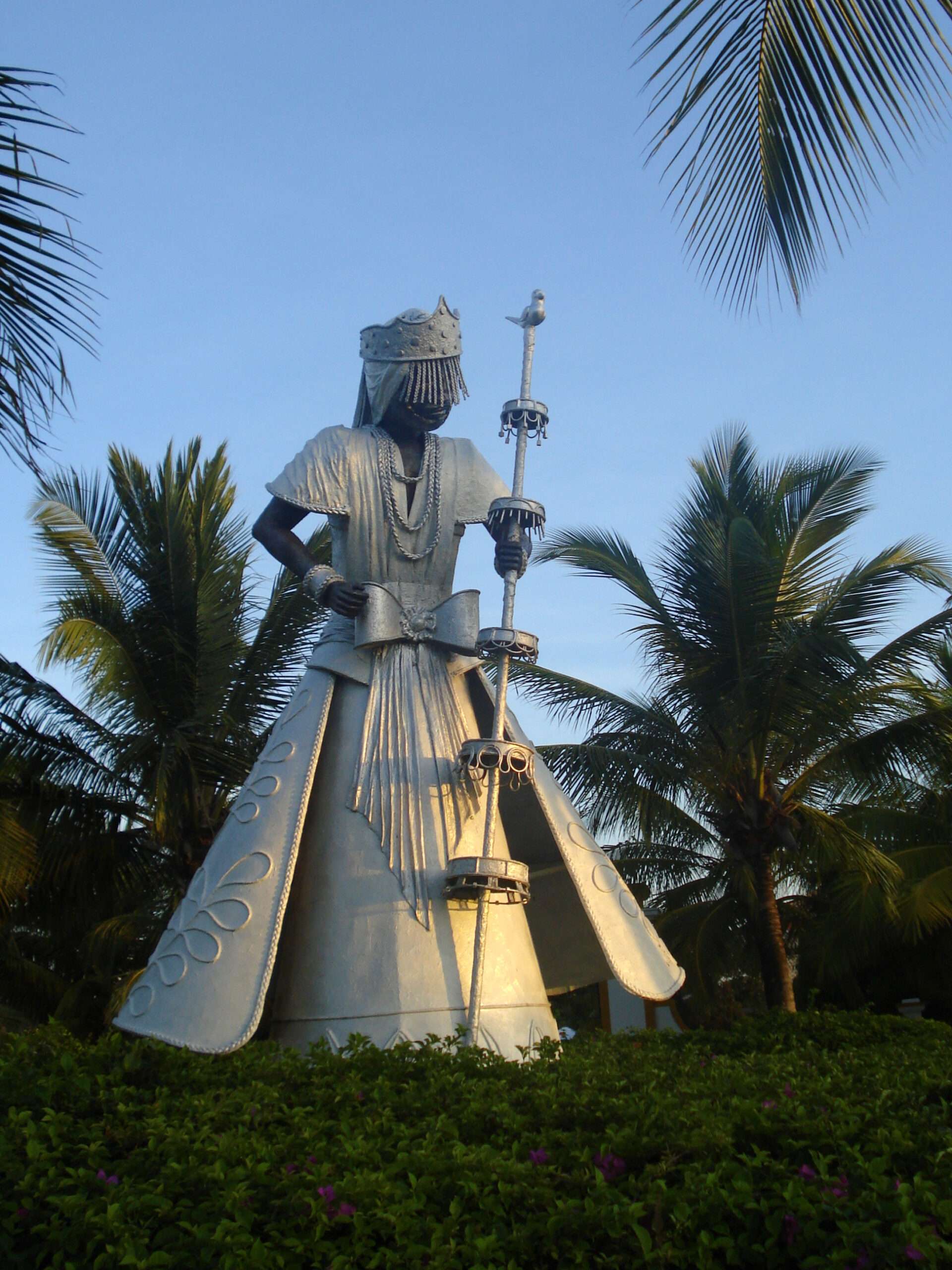
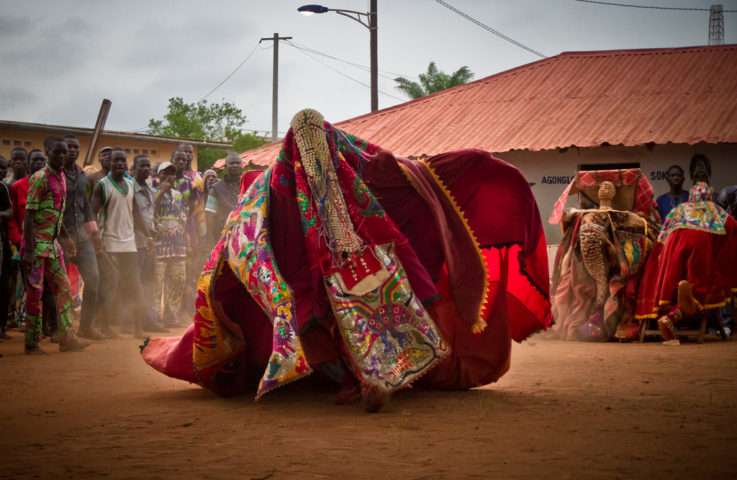
Yoruba religion and mythology have had a significant effect throughout West Africa, particularly in Nigeria, and have given rise to various New World faiths such as Santera in Cuba, Puerto Rico, and Candomblé in Brazil. Another permutation of traditional Yoruba religious beliefs, the religion popularly known as Vodun in Haiti combines the beliefs of the many different African ethnic nationalities brought to the island with the structure and liturgy from present-day Benin and the Congo-Angolan culture area, but Yoruba-derived religious ideology and deities also play an important role.
The majority of contemporary Yoruba are Christians and Muslims, with indigenous congregations having the highest membership among Christians.

